How Study/Discussion Groups Work

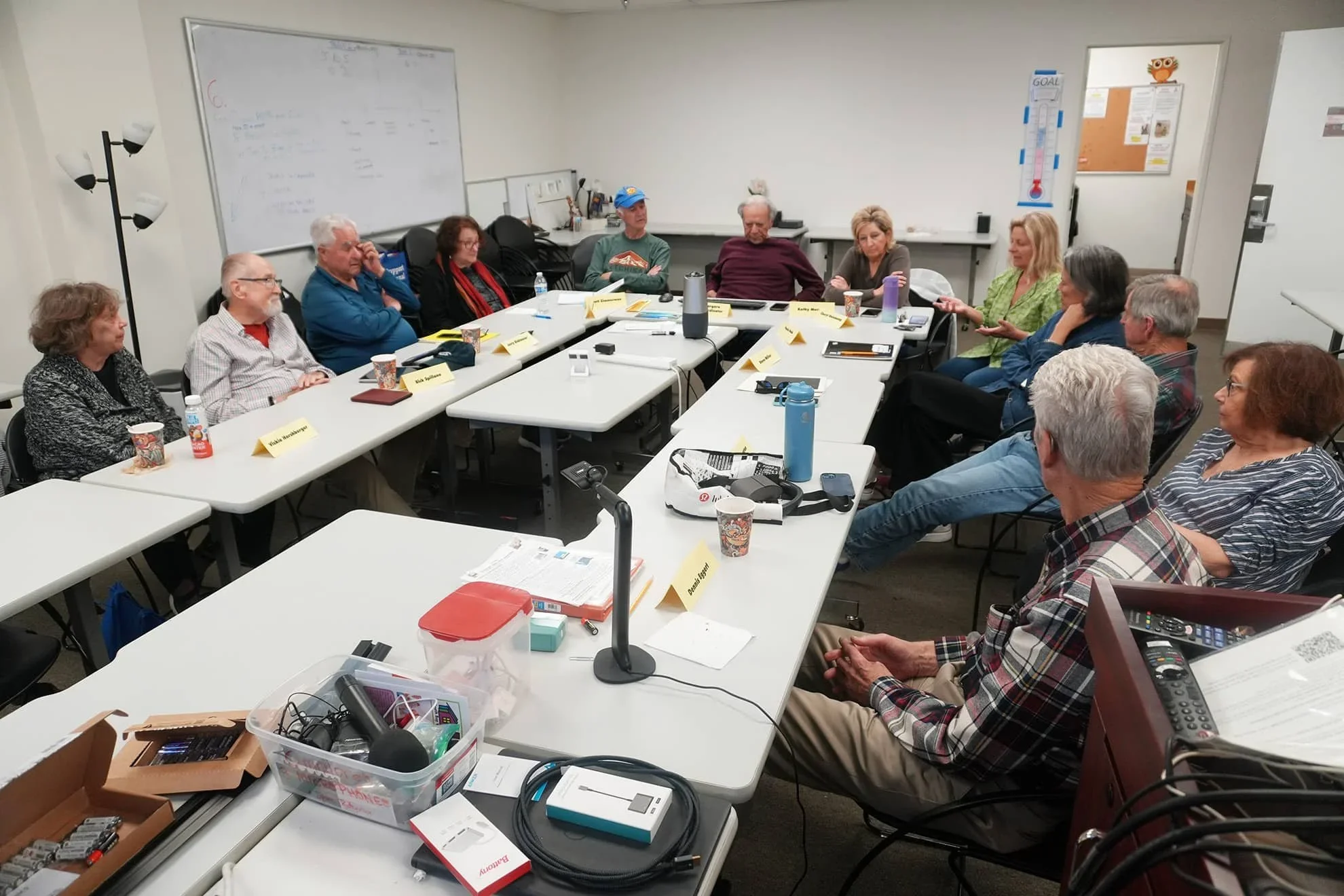
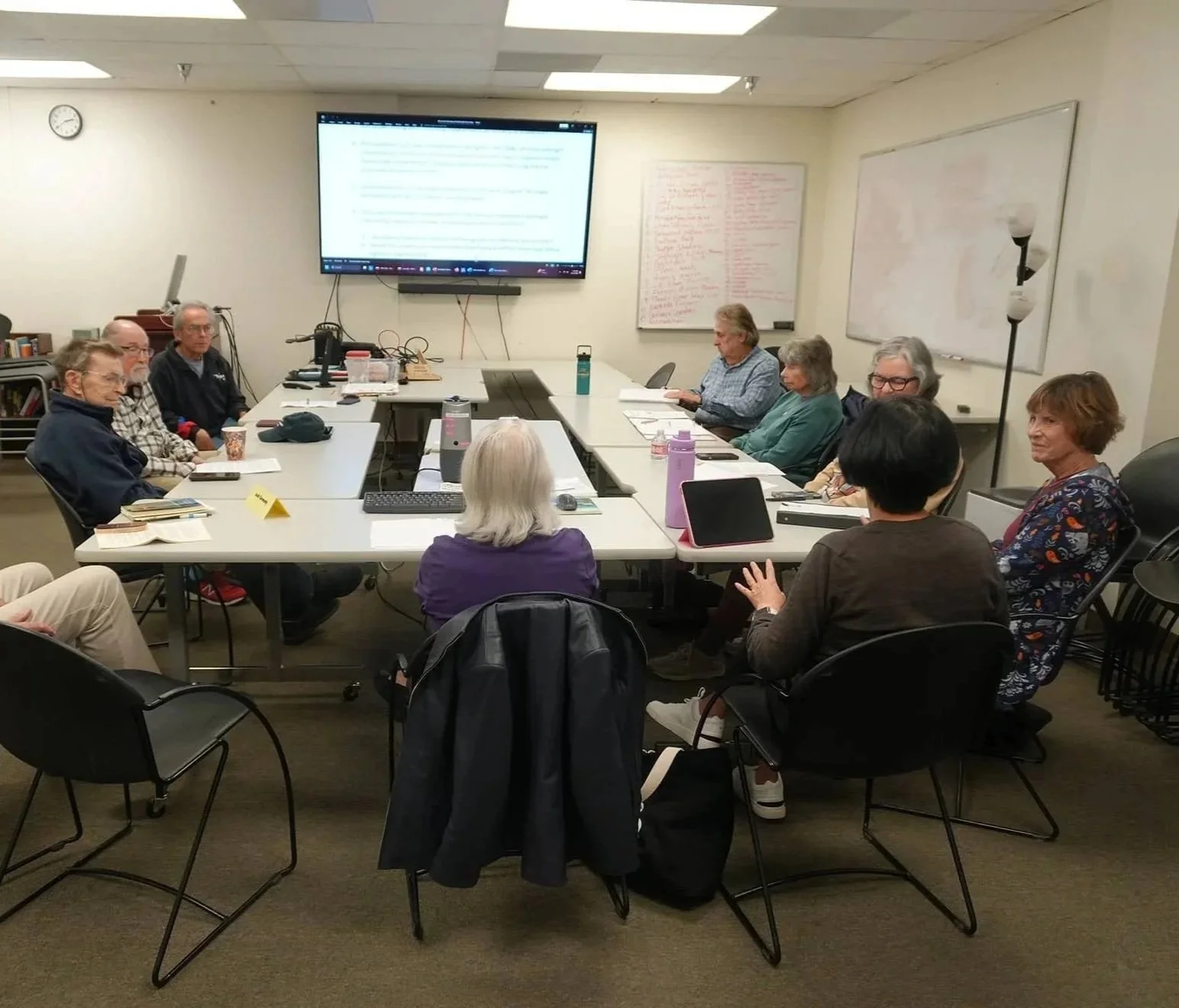
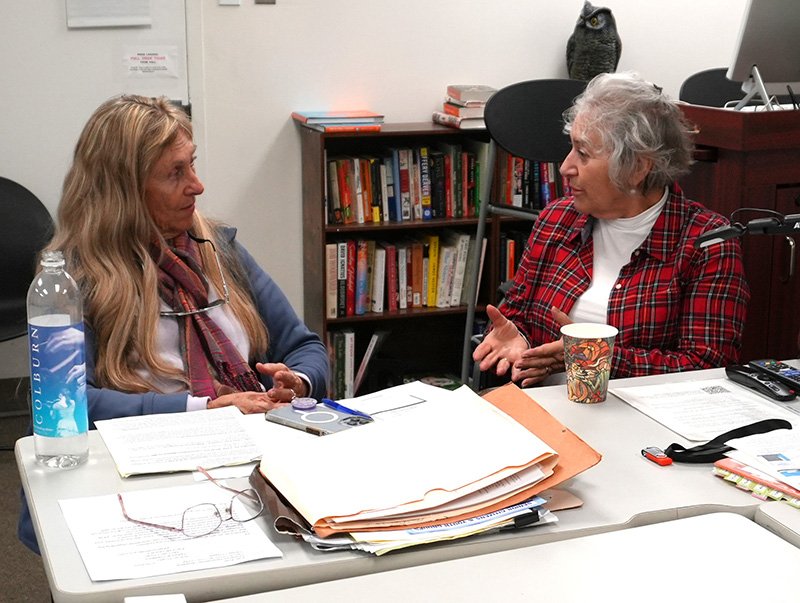
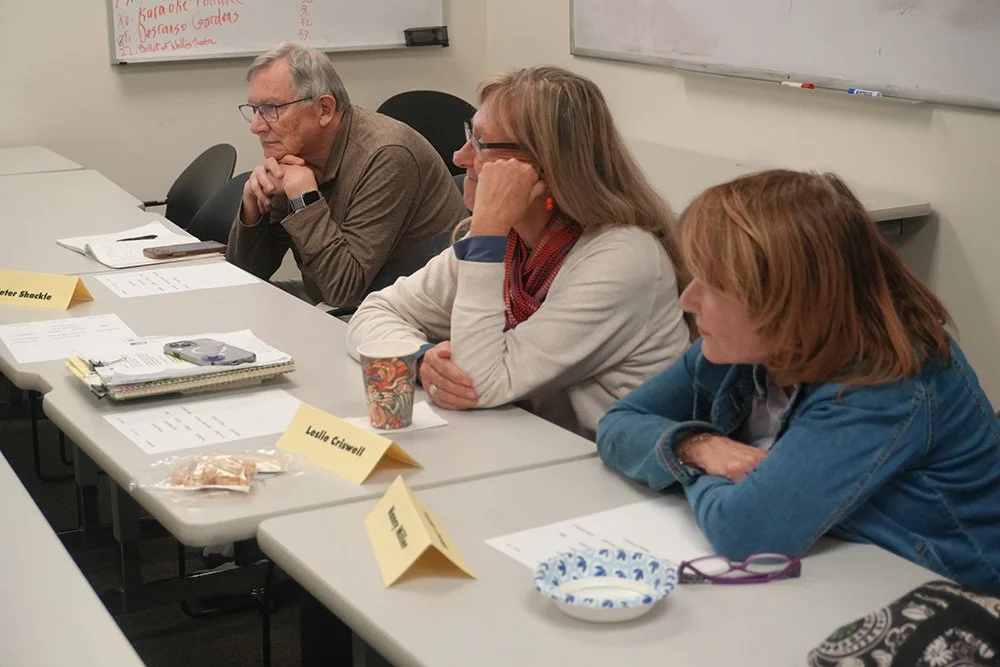
The Omnilore curriculum is based on the concept of peer-led Study/Discussion Groups. A discussion group is similar to an academic class, with some important differences intended to facilitate informal yet intellectually challenging discussion.
There are no instructors; instead, the group is led entirely by the members. There are no exams or grades; instead, members bring their own motivation to explore new ideas with their peers.
Study/Discussion Groups run for a term of four months and meet twice monthly for two hours during the day. Sessions take place either in person at our facility at the Beach Cities Health District in Redondo Beach or online by Zoom. There are three terms each year, starting in January, May and September.
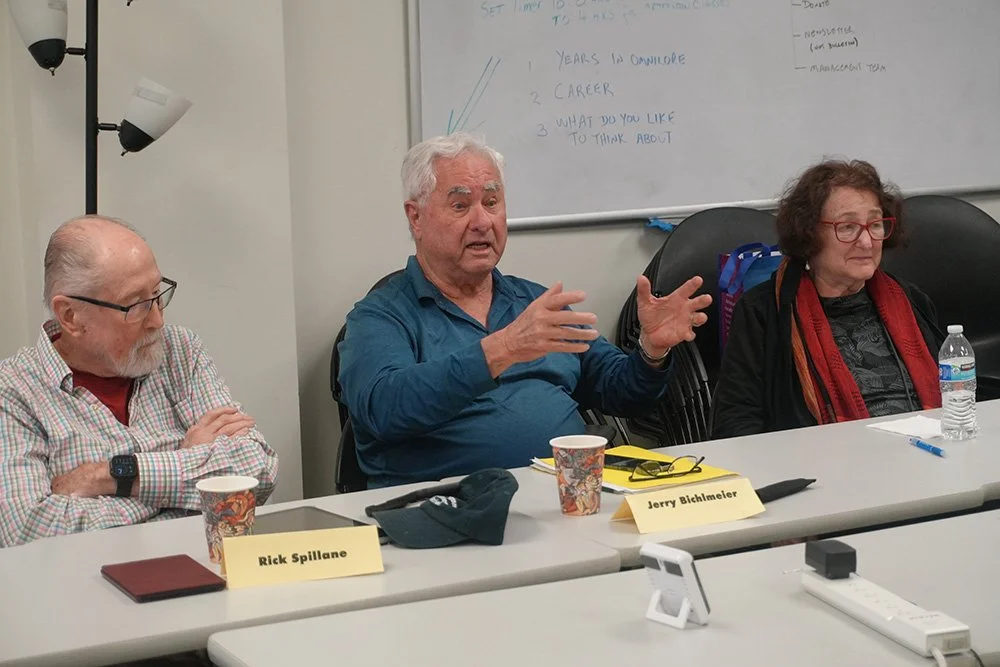
Approximately fifteen discussion groups are offered each term, most of which center on a shared reading—typically a book purchased in advance, though films, video series or periodicals are sometimes used. Offerings are chosen to span a broad range of interests including the arts, government and geopolitics, history, literature, philosophy and religion, science and technology, and social sciences.
An experienced Omnilore member volunteers to coordinate each group. In addition to helping the group schedule the reading, discussions and presentations, the coordinator helps the sessions run smoothly, ensures everyone has a chance to contribute and provides guidance and support as needed to new members.

Members Lead the
Study/Discussion Groups
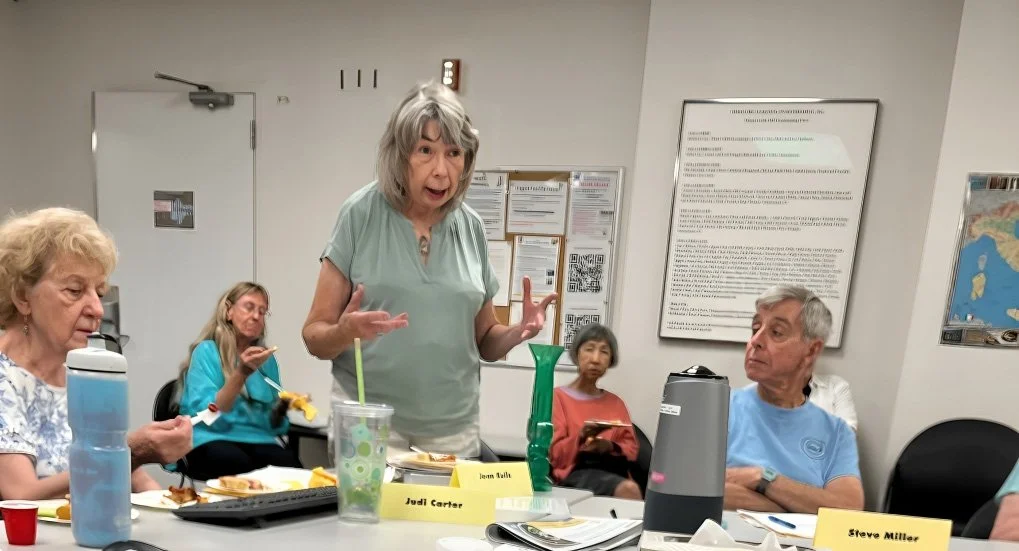
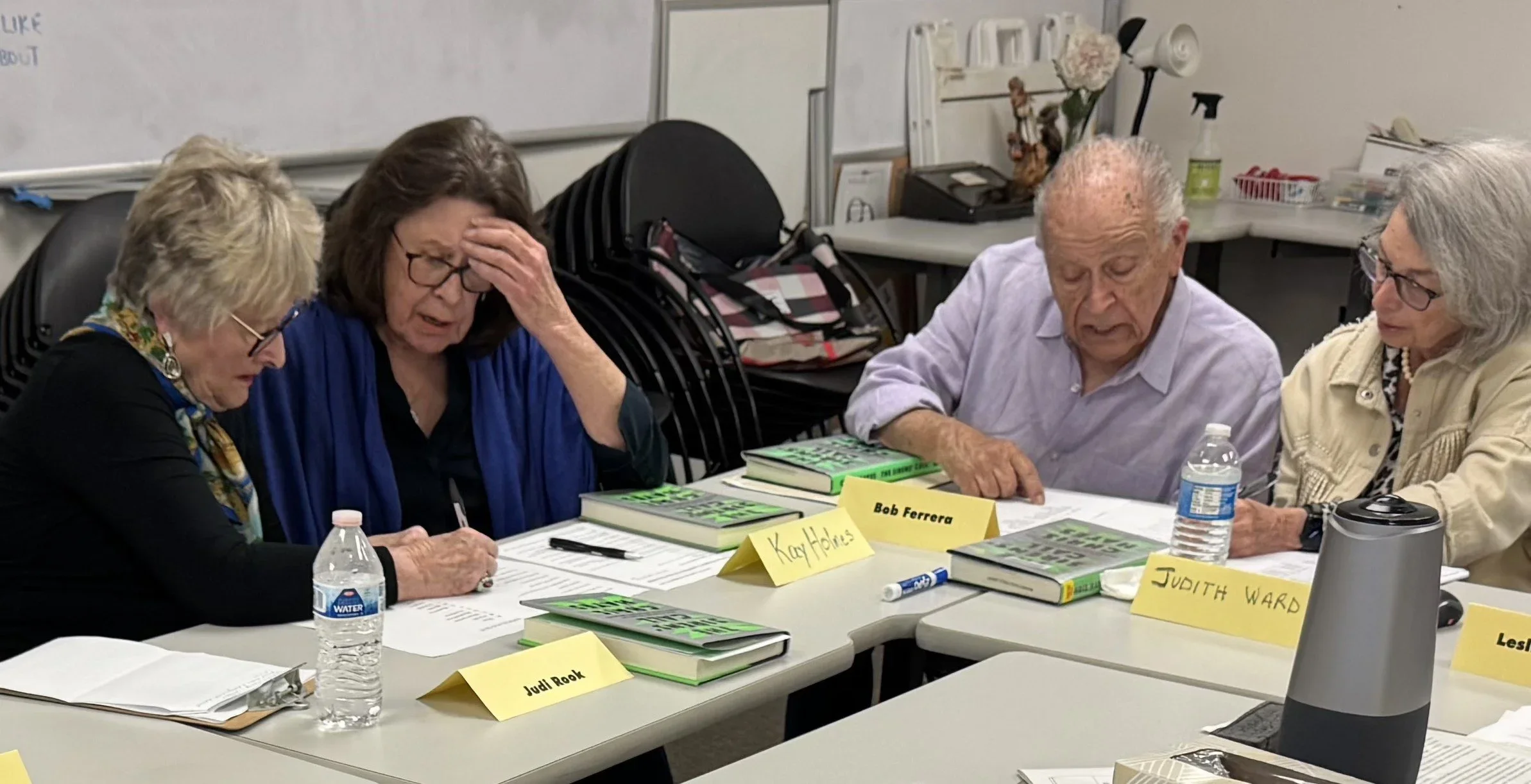
Each member leads a group discussion on a specific chapter or section of the common reading during one session. To stimulate discussion, the member typically prepares and distributes open ended questions in advance.
In addition, each member delivers a researched presentation on a relevant topic of their choice. To ensure everyone has a turn, the time allocated for leading a discussion or making a presentation will depend on the size of the group, but usually ranges from half an hour to a full hour.
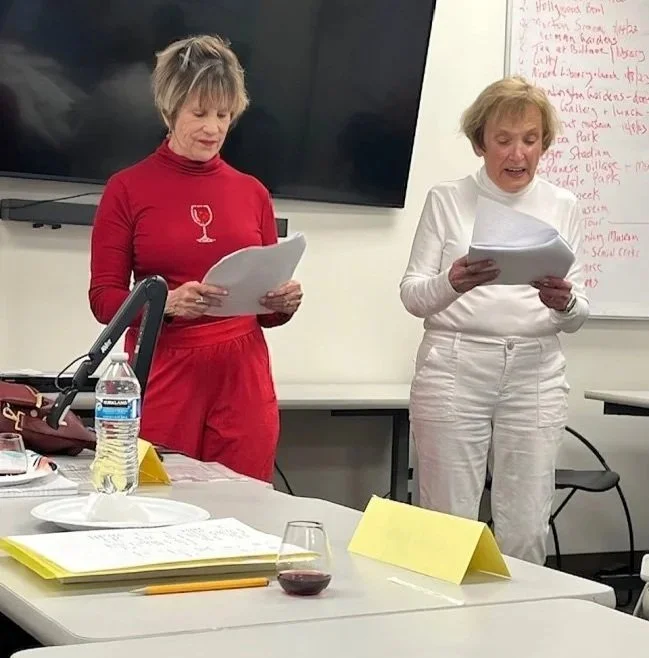
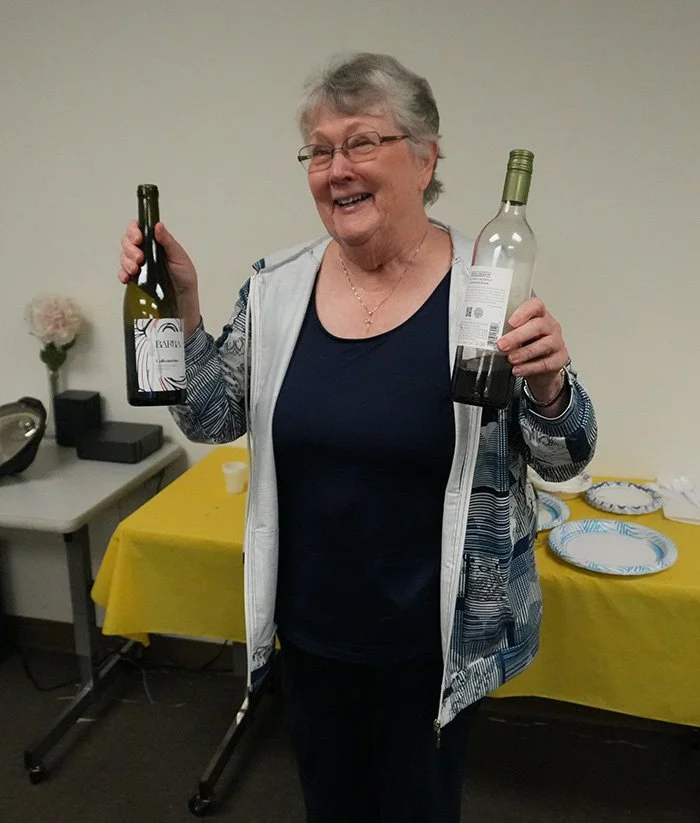
A skit instead of a presentation!
In the California Wine S/DG, instead of a traditional presentation, Susan teamed up with new member Irene to perform a skit in which bottles of red and white wine debate which is better.

Presentations Are Central to the Omnilore Concept
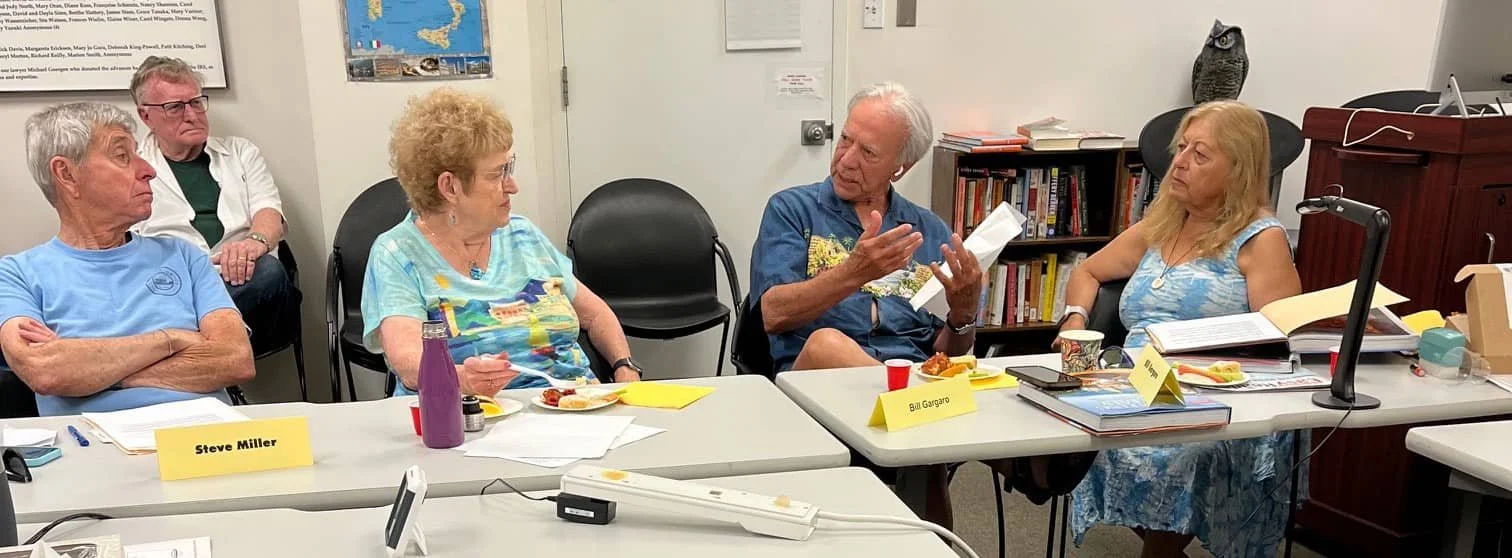
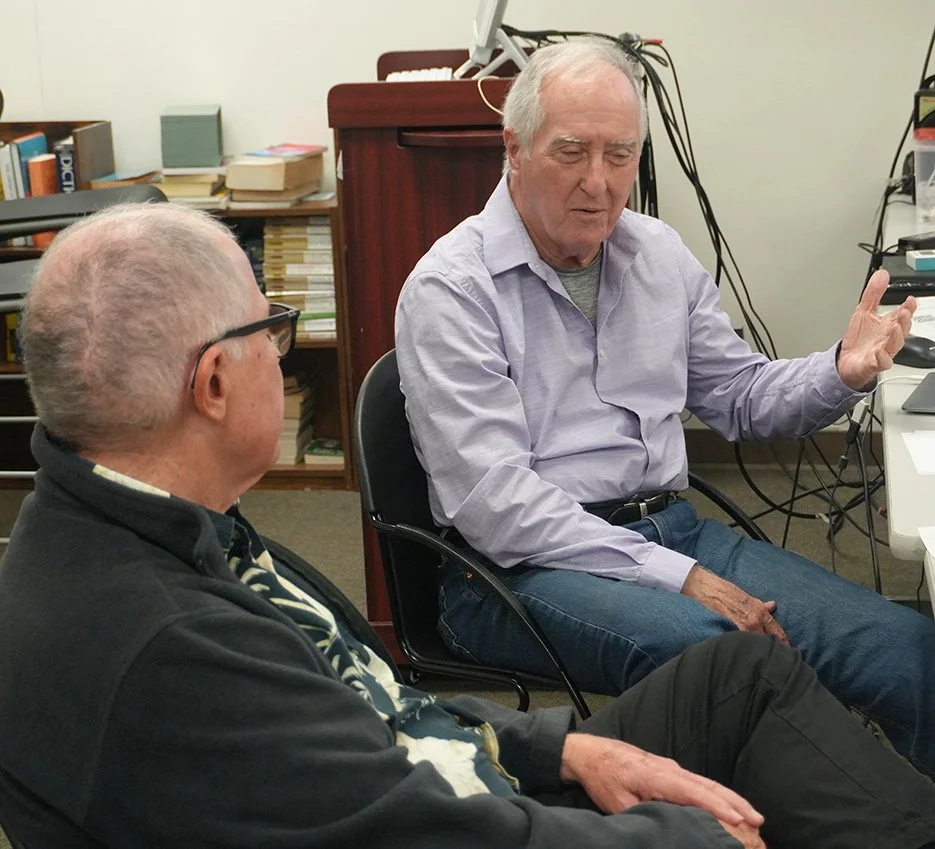
Researched presentations represent an opportunity for members to bring their personal experiences and interests into the group discussions. They are often the most engaging sessions of our groups, frequently evolving into animated conversations with every member chiming in. Experience shows that the greatest challenge is simply preventing these presentations from overrunning their allotted time!
Presenters can use any format or medium they like. PowerPoint is easy to learn and fun to use, but hand drawn notes with an overhead projector work just as well. Some adventurous presenters have instead led demonstrations, engaged the class in hands-on activities, or even performed skits. There is plenty of opportunity for creativity.
We recognize that new members are sometimes apprehensive about giving a presentation. We encourage them to schedule theirs late in the term to allow time to observe others and become more comfortable speaking in front of the group. The coordinator and fellow members are always happy to offer advice and support.

How We Choose Discussion Group Topics
A new curriculum is developed for each term. As the current term draws to a close, members are invited to suggest topics for the upcoming sessions. A volunteer committee reviews these suggestions to identify approximately twenty-five topics that offer broad appeal while spanning a diverse range of subjects.
Members then submit ranked-choice votes for their preferred topics, and those receiving the highest level of interest are selected for the new curriculum.
Current Offerings - Starting in September
-
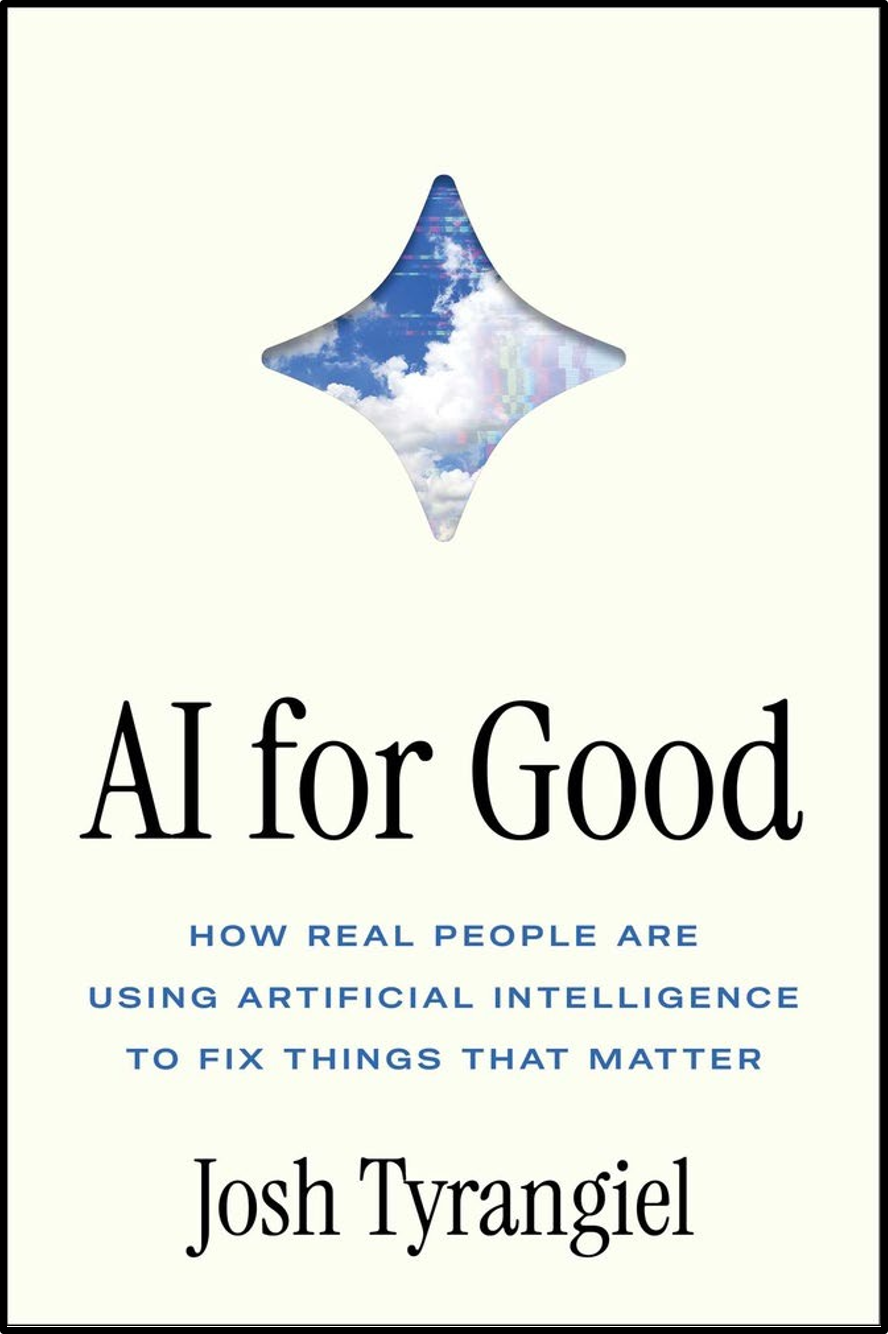
AI for Good
Instead of focusing on tech hype or doomsday fears, AI For Good highlights everyday people using artificial intelligence to solve real-world problems. It explores a quiet revolution where non-experts—like teachers, doctors, and bureaucrats—use AI as a practical tool to improve education, medicine, public services, and logistics. Rather than replacing humans, this counterculture uses AI to enhance human judgment and make a tangible, positive difference.
-
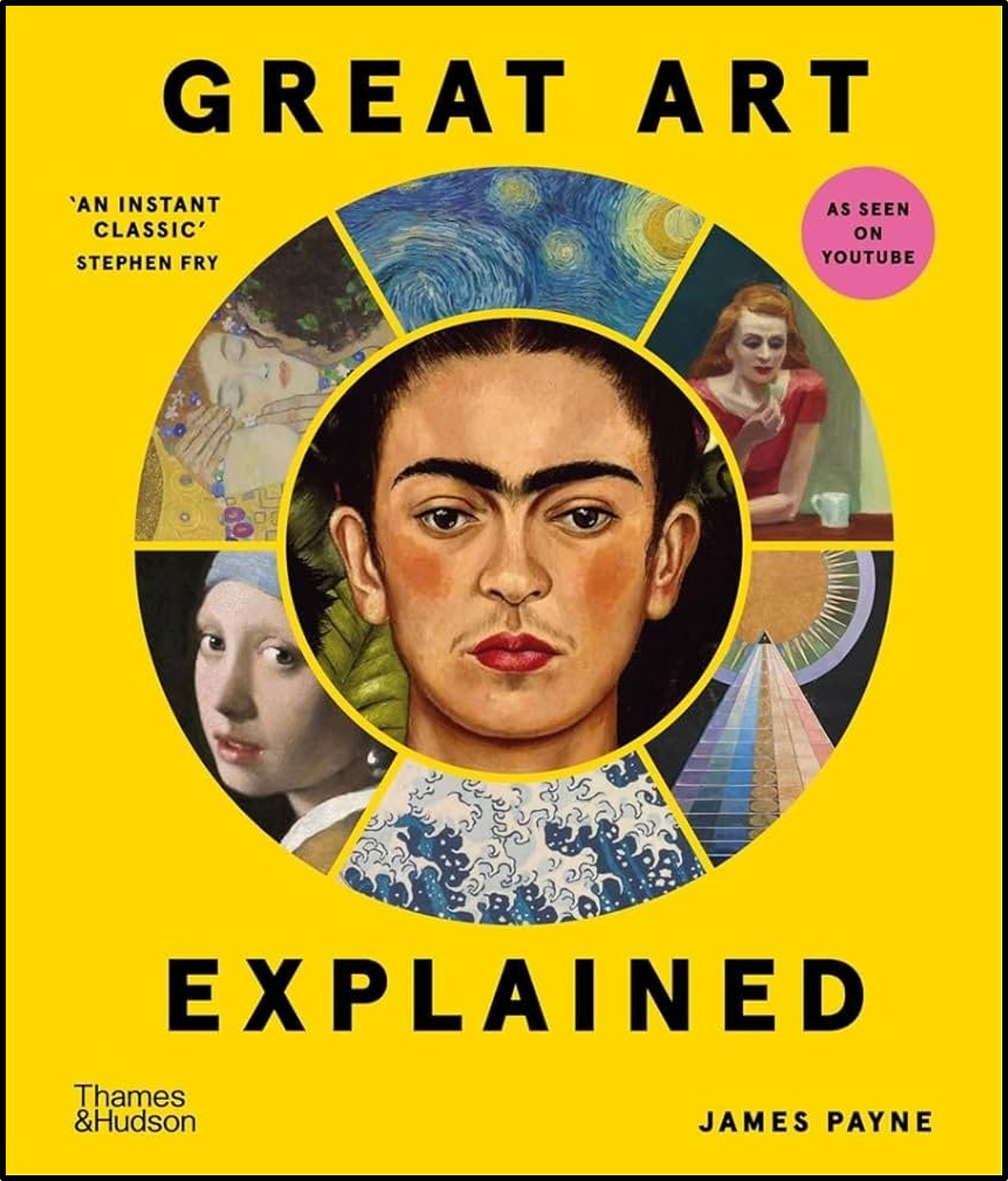
Great Art Explained
This art appreciation course helps both beginners and art lovers demystify great works using James Payne’s book and YouTube channel. There are no right or wrong answers, just the joy of exploring the stories behind famous paintings and sculptures. Class members will give presentations on chosen chapters, share discussion questions, and watch videos. The course also includes an optional field trip to a local Los Angeles museum like LACMA or The Getty.
-

More Award Winning Foreign Films
This popular class returns to explore critically acclaimed, award-winning, or nominated foreign films from major festivals and organizations. Students can select from hundreds of available titles—such as Sentimental Value or The Zone of Interest—excluding fifteen specific films previously screened in the spring. Participants will give presentations focusing on elements of their choosing, such as the filmmakers, themes, historical context, or cinematic style.
-
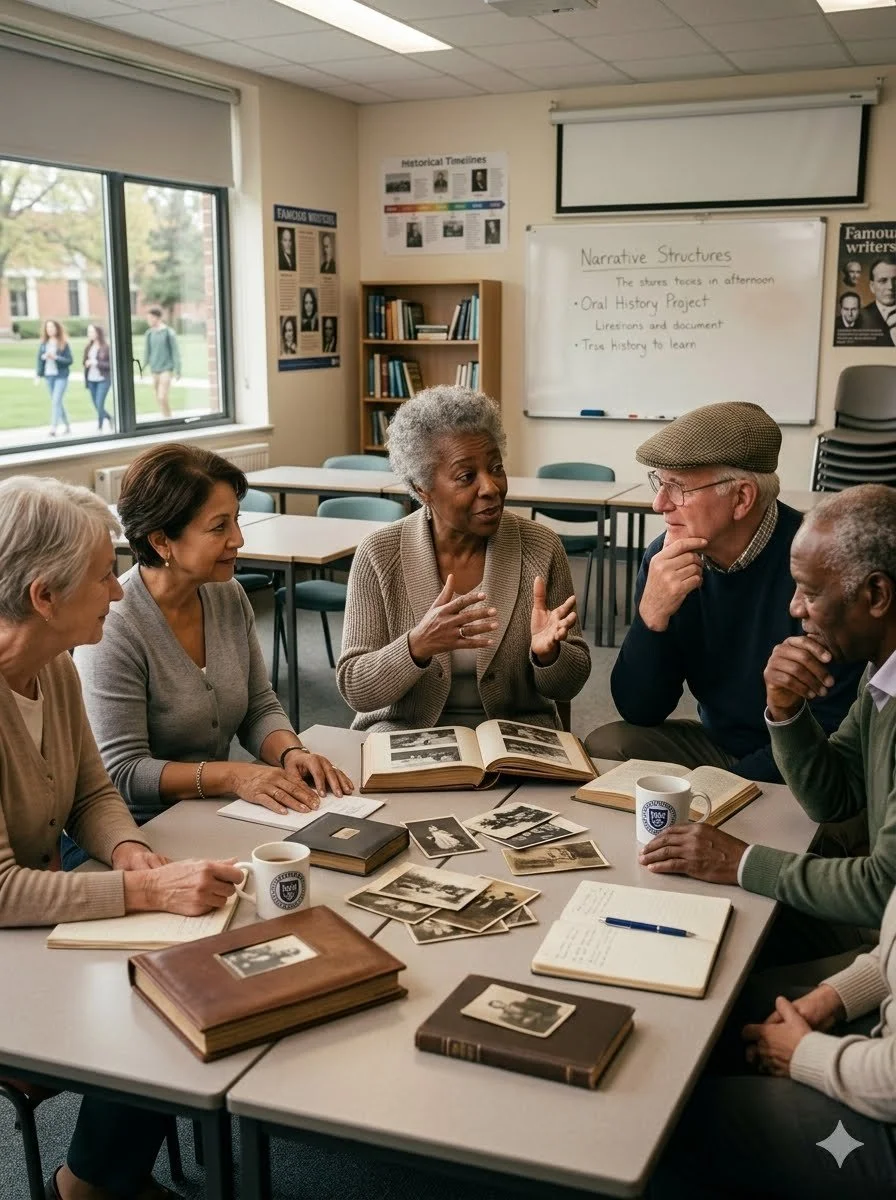
Fascinating Stories From Our Lives
Building on the "Tall Tales" group, this forum invites members to share true, remarkable stories from their own lives. Presenters can spotlight a single adventure, a random escapade, or a summary of their lifelong journey. Using personal photos, music, video clips, and historical imagery, participants create engaging narratives. With no text or discussion questions, this rewarding experience leaves behind a beautiful, lasting legacy for children and grandchildren.
-
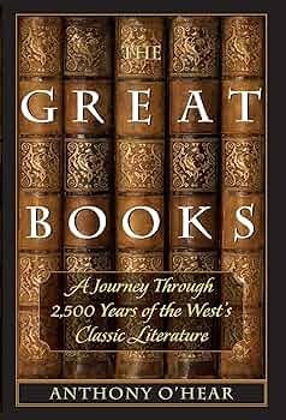
An Introduction to the Great Books
This course offers an enlightening tour through 2,500 years of Western literature using Anthony O’Hear’s The Great Books. Spanning from Homer's Iliad to Goethe's Faust, it explores works full of history, myth, art, and theater. Participants can present on the authors and historical eras discussed. Alternatively, you can use AI to explore and compare how these classic texts approach over 100 core concepts from the Great Books Syntopicon.
-
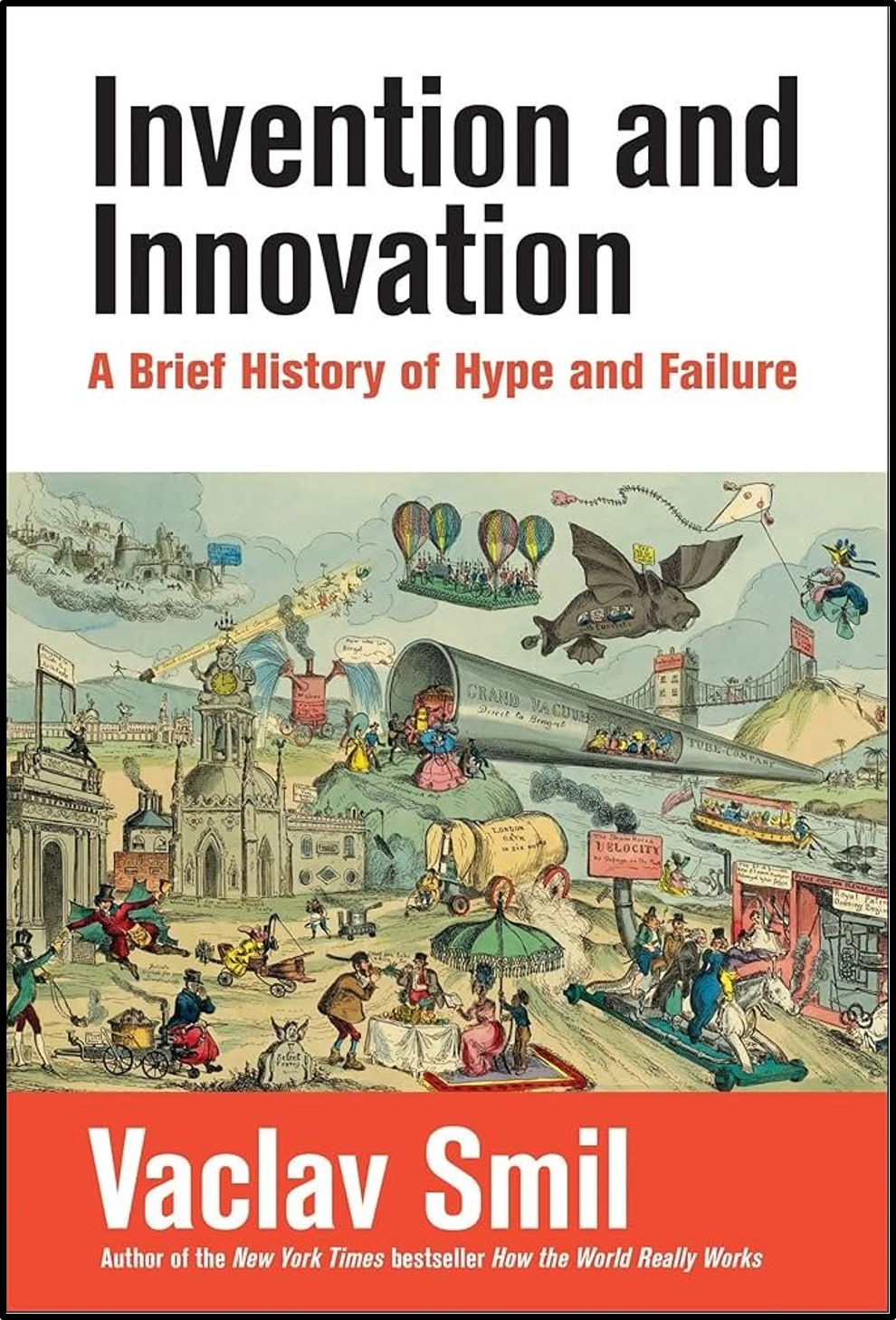
Invention and Innovation: A Brief History of Hype and Failure
In Invention and Innovation, Vaclav Smil provides a pragmatic history of human ingenuity, correcting the constant hype surrounding new technology. He explores the differences between invention and innovation, focusing on brilliant ideas that underperformed, failed commercially, or caused environmental harm. Presentations can analyze the real-world impacts of specific case studies like DDT, leaded gasoline, nuclear power, supersonic flight, or artificial intelligence.
-

Margaret Atwood Short Stories
Margaret Atwood’s Old Babes in the Woods features fifteen remarkable tales split into three unique sections. The first and final parts follow an aging couple looking back at life and dealing with grief. The middle section offers highly creative stories, including a soul-fusing snail and an alien entertainer. Class members will select a story to present on its themes, characters, style, or connection to Atwood's life.
-
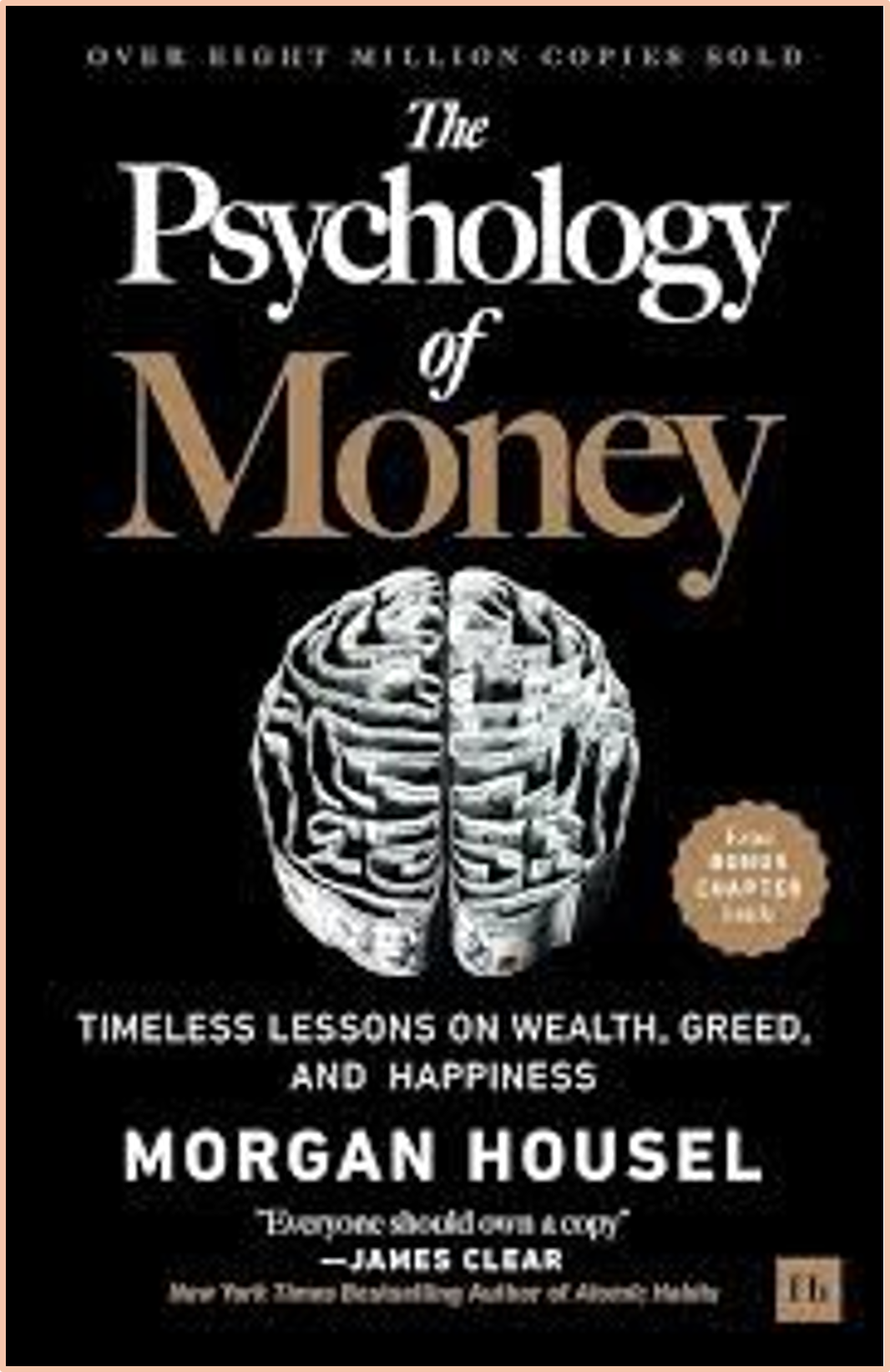
The Psychology of Money
In The Psychology of Money, Morgan Housel explains that financial success is driven by human behavior rather than math formulas or spreadsheets. Through 19 short stories, the book explores how pride, ego, marketing, and personal history shape real-world choices at the dinner table. A potential presentation topic includes writing an essay to your grandchildren about achieving financial independence in 20 years without making heavy sacrifices.
-
The Shortest History of China
This fast-paced course distills thousands of years of Chinese history into a riveting 280-page narrative. It journeys from tribal origins and imperial dynasties to modern dominance under Xi Jinping and the Communist Party. The text explores political intrigue, rapid modernization, and the rarely told history of Chinese women. Participants can present on a wide range of topics, including life under Mao Zedong, traditional fashion, or modern technological developments.
-
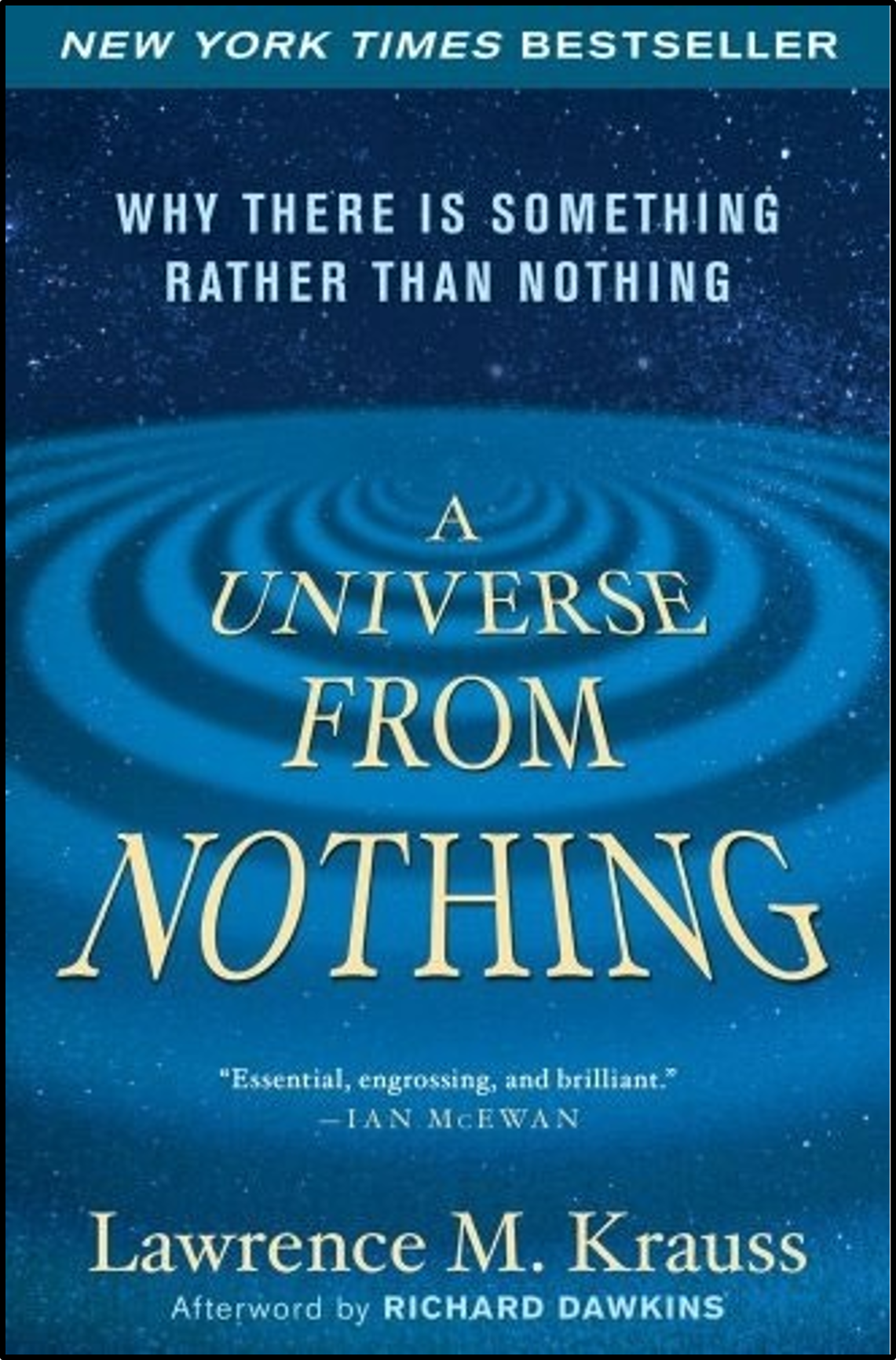
Beginning of the Universe
In A Universe from Nothing, Lawrence Krauss uses clear explanations and recent evidence to show how something can—and always will—arise from nothing. Moving from the Higgs particle to the beginning of time, this accessible text explores how our universe evolved and how it might end. Presentation topics include black holes, star evolution, quantum theory, dark energy, relativity, and the greatest mysteries we have yet to solve.
-

1968: The Year that Rocked the World
Using the text 1968: The Year that Rocked the World by Mark Kurlansky, this course explores a pivotal year of global upheaval. The narrative brings to life spontaneous global uprisings, civil rights milestones, the antiwar movement, and the rise of television. Presentation topics can cover popular music, fashion trends, the Women's Liberation Movement, draft resistance, or the economic impact of the Vietnam War.
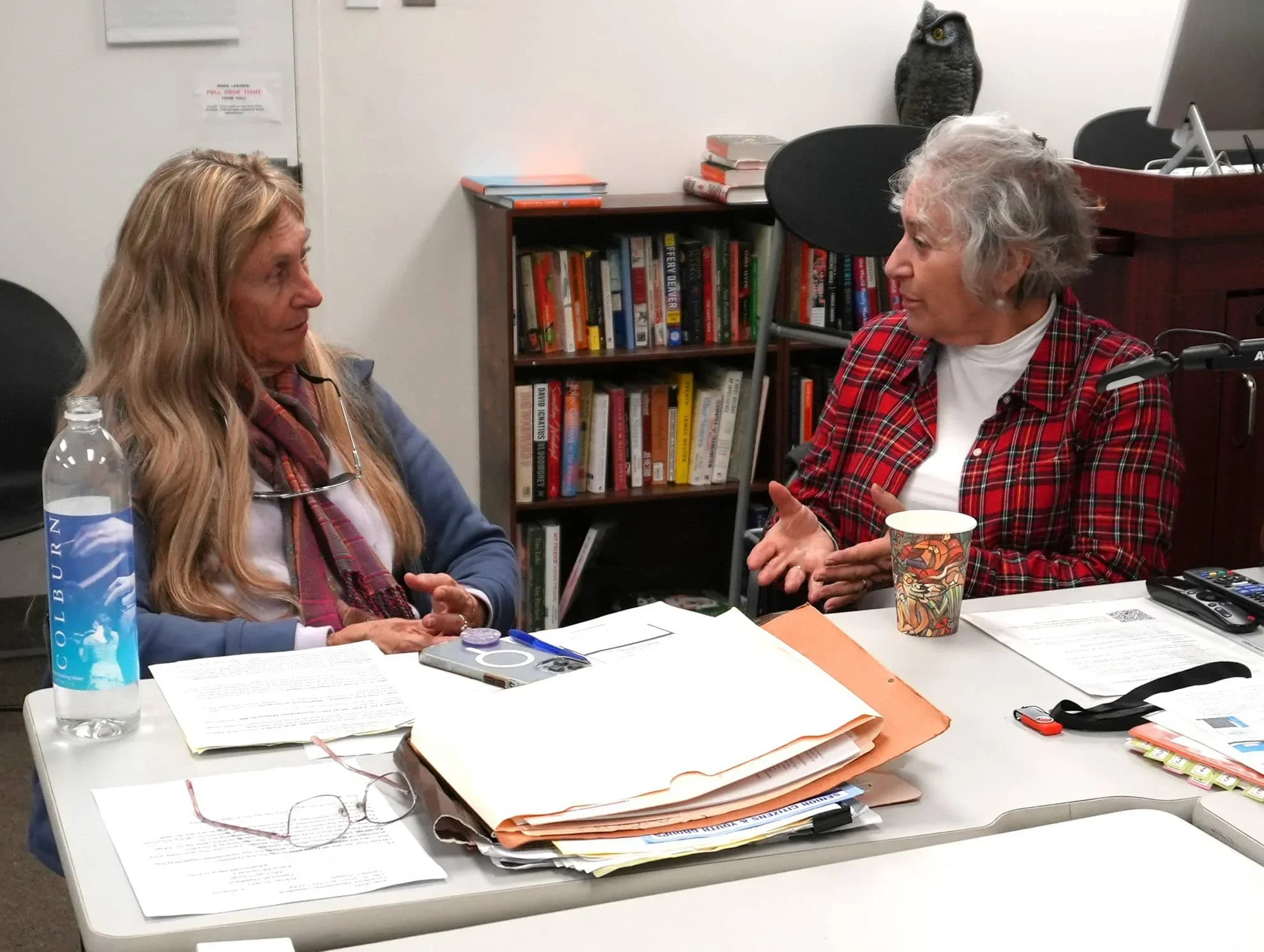
Come Try Us Out
You’re welcome to sit in on one or two ongoing discussion groups to experience the Omnilore community in action.
Highlights of Past Offerings
Below is a selection of recent popular Study/Discussion Groups that illustrates the breadth of topics:
Best Mystery Stories of the Year 2024
Quantum Supremacy: How the Quantum Computer Revolution Will Change Everything
The Five Million Year Odyssey
J. Edgar Hoover and the Making of the American Century
All the World’s a Stage
The Origins of Wealth and Inequality
Crush: The Triumph of California Wine
This Week in the Economist
Material World: The Six Raw Materials that Shape Modern Civilization
Tyranny of the Minority
How the World Really Works
Recent Documentary Films
Nine Black Robes